
Introduction
Modern food retail environments rely heavily on lighting not only for visibility but also for influencing how fresh products appear to customers. However, lighting is also a major driver of chemical change in food. One of the most critical processes involved is photooxidation in food, where specific light wavelengths initiate reactions that gradually degrade quality.
These reactions are not random. They follow defined chemical pathways depending on wavelength, exposure time, and food composition. In refrigerated and ambient display systems, this means lighting can directly determine how fast or slow a product loses freshness, nutrition, and visual appeal.
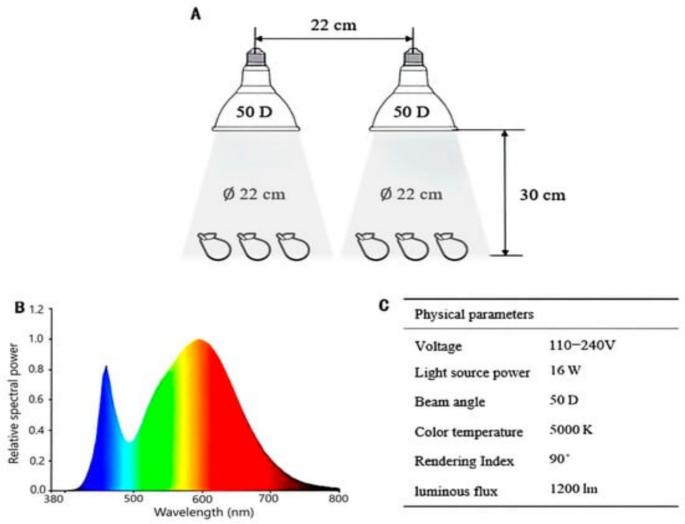
How Light Interacts With Food Chemistry
Food contains sensitive molecules such as fats, proteins, and pigments that react when exposed to light energy. The interaction depends on the intensity and wavelength of the light source.
Key interaction processes:
- Absorption of light energy by food compounds
- Activation of unstable molecular bonds
- Formation of reactive chemical species
- Initiation of oxidation reactions
This leads directly to light induced food degradation, where even visually appealing lighting setups can slowly damage internal food quality.
Oxidative Stress and Chemical Breakdown
One of the most important outcomes of light exposure is oxidative stress. When food molecules absorb light energy, unstable compounds begin to form and spread reactions throughout the product.
Effects include:
- Breakdown of fats into rancid compounds
- Protein structure weakening
- Loss of antioxidants
- Increased chemical instability over time
This process is known as oxidative stress in food, and it is one of the main drivers of long-term quality loss in retail environments.
Free Radical Formation and Chain Reactions
Once oxidation begins, free radicals are formed. These molecules are highly reactive and continue damaging surrounding food structures.
Chain reaction effects:
- Continuous fat oxidation
- Flavor deterioration
- Texture breakdown
- Accelerated spoilage cycles
This is part of free radical formation food, where even short exposure periods can trigger long-lasting degradation processes.
Spectral Power and LED Influence
Not all lighting causes the same level of damage. The spectral composition of light plays a major role in how food reacts.Key factors:- Blue light carries higher energy and increases reaction speed
- Red light has lower degradation impact
- UV-related wavelengths accelerate oxidation
- Mixed spectra create uneven reactions across products
Food-Safe Lighting Design
To reduce damage, modern retail systems use optimized lighting strategies designed specifically for food environments.
Design principles include:
- Use of food safe lighting spectrum
- Reduction of high-energy wavelength exposure
- Controlled brightness levels across display zones
- Balanced visibility without excessive exposure
Proper design ensures that products remain visually appealing while minimizing chemical breakdown.
Wavelength Sensitivity Across Food Types
Different foods respond differently to light exposure due to variations in composition.
Sensitivity differences:
- Dairy: high fat oxidation sensitivity
- Meat and seafood: protein and lipid degradation
- Fruits and vegetables: pigment instability
- Prepared foods: mixed chemical reactions
This is known as wavelength impact on food, and it explains why uniform lighting strategies often fail in diverse retail environments.
Measuring Light Exposure and Degradation Risk
Retailers must monitor not just lighting intensity but also exposure duration to control quality loss.
Measurement methods:
- light exposure measurement foodtracks cumulative exposure levels
- light dose food degradationcalculates total damage potential
- Monitoring high-exposure display zones
- Evaluating lighting cycles over time
These tools help identify when food begins to degrade under retail conditions.
Nutritional and Structural Quality Loss
Light exposure affects both visible quality and internal nutritional value.
Common impacts:
- Vitamin degradation
- Loss of antioxidants
- Protein weakening
- Lipid oxidation
This is referred to as nutrient degradation light exposure, which often occurs before visible spoilage is detected.
Retail Lighting and Display System Impact
Lighting systems in retail environments often combine with refrigeration units, creating complex interactions.
Key impacts:
- Uneven product degradation across shelves
- Faster spoilage in high-light zones
- Reduced shelf life consistency
- Increased waste levels
This makes refrigerated display lighting a critical design factor in food preservation strategies.
Optimization Strategies for Better Food Protection
Modern retail systems are shifting toward scientifically optimized lighting environments.
Best practices include:
- Controlled-spectrum LED systems
- Reduced exposure duration for sensitive products
- Strategic placement of lighting sources
- Integration with refrigeration airflow design
- Continuous monitoring of product quality indicators
These improvements enhance overall food display case lighting performance and reduce unnecessary degradation.
Conclusion
Different light wavelengths trigger different degradation pathways in food by influencing oxidation, pigment breakdown, and molecular instability. Processes such as photooxidation in food and light induced food degradation significantly affect product quality even in well-controlled environments.
By applying scientifically designed lighting systems and managing spectral exposure carefully, retailers can reduce waste, extend shelf life, and maintain higher food quality across all display conditions.
For More Information
For more insights on advanced retail lighting technologies and food preservation systems, visit
https://www.freshfoodlighting.com. The platform offers specialized solutions designed to optimize lighting performance, improve food quality protection, and support efficient supermarket display operations.
