
A department-by-department checklist to match lighting to product sensitivity and display style
Lighting is one of the most critical yet often overlooked factors in fresh food retail. It directly affects product appearance, shelf life, and customer perception. While refrigeration, packaging, and handling receive attention, poor lighting can accelerate spoilage, cause color shifts, and reduce sales. Not all departments have the same lighting needs; meat, seafood, produce, and dairy products each react differently to light exposure. Understanding these distinctions helps retailers select fixtures that protect quality while enhancing shopper appeal.
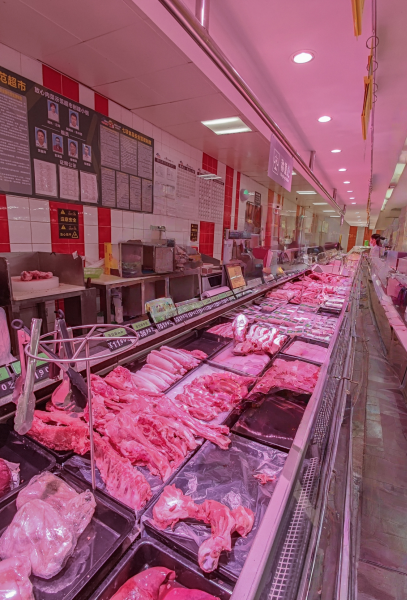
Why Department-Specific Lighting Matters
Shoppers rely on visual cues to make purchasing decisions. Color, sheen, and texture signal freshness and quality. Improper lighting can:
- Alter color perception, making meat look gray, produce wilted, or dairy unappetizing.
- Increase product deterioration, particularly in sensitive categories like seafood or leafy greens.
- Reduce sales due to perceived spoilage or lack of freshness.
- By tailoring lighting to each department’s specific needs, retailers preserve product integrity, reduce waste, and enhance store reputation.
Meat Display Case Lighting
Meat is highly sensitive to color changes, which directly impact purchasing decisions:
- Color preservation: Red meats appear more appealing under lighting with low blue wavelengths and balanced red spectrum. Overexposure to intense white light can cause browning or oxidation.
- Front-row focus: Shoppers evaluate the first few cuts they see; uniform lighting ensures these pieces look consistently fresh.
- Temperature consideration: Meat releases juices that reflect light differently; low-heat LEDs help maintain temperature while providing true color rendering.
Checklist for meat lighting:
- Low-heat LED with red spectrum emphasis
- Even illumination across all shelves
- Minimal direct glare to avoid color distortion
- Consistent output to reduce front-to-back color variation
Seafood Display Case Lighting
Seafood presents unique challenges due to moisture, ice beds, and delicate textures:
- Glare control: Wet surfaces and ice reflect light; improper placement creates hotspots and false visual cues.
- Color accuracy: Fish and shellfish must appear fresh and vibrant; harmful lights can cause fading or yellowing of flesh.
- Moisture management: Lights should not increase case temperature, which accelerates spoilage or drip loss.
Checklist for seafood lighting:
- Diffused, low-heat LED with neutral spectrum
- Proper lens placement to reduce reflection on ice or wet surfaces
- Even coverage to prevent hotspots
- Energy-efficient fixtures to support refrigeration stability
Produce Display Case Lighting
Produce is particularly vulnerable to dehydration, wilting, and color changes:
- Leafy greens: Bright lights accelerate moisture loss; combined with proper airflow, they maintain crispness longer.
- Fruits: Color shifts indicate ripeness; lighting should enhance natural tones without exaggerating or washing out colors.
- Shelf depth: Multi-tiered displays require even illumination to ensure all items receive consistent light.
Checklist for produce lighting:
- Balanced-spectrum LEDs that protect color and moisture
- Diffused light to reduce dehydration
- Adjustable angles for multi-tiered shelving
- Integration with humidity and airflow management
Dairy Display Case Lighting
Dairy products are sensitive to fat oxidation and vitamin degradation:
Milk, butter, and cheese: Light exposure can accelerate yellowing, off-flavors, and nutrient loss.
Packaging influence: Clear containers allow light penetration; proper spectrum selection prevents premature spoilage.
Temperature control: Case temperature and lighting must work together to maintain product quality.
Checklist for dairy lighting:
- Low-heat LED with reduced blue and UV output
- Consistent illumination across shelves
- Consideration for packaging type and transparency
- Integration with refrigeration monitoring for temperature stability
Operational Tips Across Departments
To maximize the effectiveness of department-specific lighting:
- Assess product sensitivity: Identify which foods are most prone to color or texture changes under light.
- Select purpose-built LEDs: Use fixtures designed for specific product categories rather than generic retail lighting.
- Monitor exposure time: Rotate stock and minimize light exposure during off-hours using night covers or case shields.
- Train staff: Employees should understand how lighting affects each product and adjust placement and handling accordingly.
- Evaluate display case design: Position lights to enhance product without causing hotspots or glare, considering shelf depth and angles.
Benefits of Department-Focused Lighting
Implementing targeted lighting strategies yields measurable results:
- Reduced spoilage: Minimizes visual degradation, oxidation, and dehydration.
- Improved sales: Products appear fresher, encouraging purchase.
- Operational efficiency: Lower waste means less time spent rotating or discarding inventory.
- Customer confidence: Shoppers perceive quality and consistency, reinforcing brand trust.
Conclusion
Not all display lighting is created equal. By understanding the unique requirements of meat, seafood, produce, and dairy, retailers can select lighting systems that protect product quality, reduce waste, and enhance shopper experience. Food-safe, purpose-built LEDs combined with proper placement and operational practices create a cohesive strategy that supports both sales and sustainability.
For grocery operators looking to optimize lighting across departments and ensure fresh, appealing displays, visit www.freshfoodlighting.com to explore solutions designed specifically for fresh food merchandising
