
Introduction
In modern retail environments, free radical formation food is a key chemical mechanism behind the gradual decline in food quality under artificial lighting. Display cases in supermarkets and food outlets continuously expose products to light, which can trigger chemical instability in sensitive food components and accelerate spoilage.
Understanding how light interacts with food at a molecular level is essential for improving shelf life, reducing waste, and maintaining consistent product quality in retail displays.
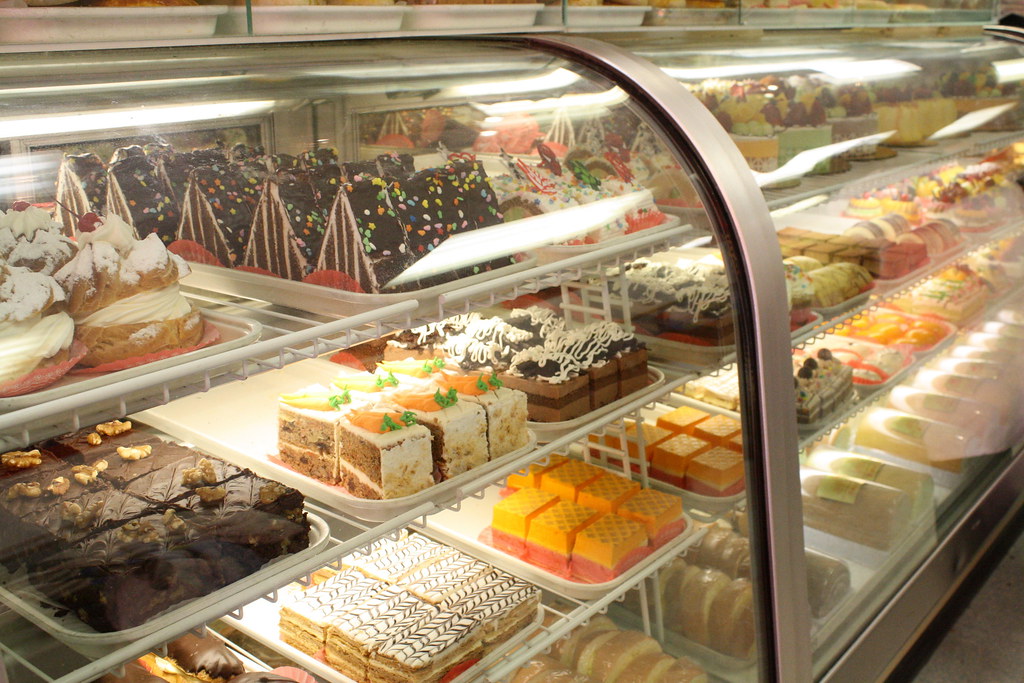
What is Free Radical Formation in Food
Free radicals are highly reactive molecules formed when food compounds absorb light energy and become unstable. These unstable molecules then react with oxygen and other food components, initiating chain reactions that damage food structure.
Key consequences include:
- Breakdown of fats and proteins
- Loss of flavor and aroma
- Color deterioration
- Nutritional degradation
This process is strongly associated with light induced food degradation, especially in environments where lighting is continuous and intense.
Role of Light in Triggering Free Radicals
Light is a major catalyst in generating free radicals, particularly in food products exposed to retail lighting systems.
Main triggers:
- High-energy visible light (especially blue spectrum)
- UV radiation leakage from lighting systems
- Long exposure durations
- Poorly designed display lighting angles
These conditions activate food photochemical reactions, which initiate oxidative chain processes inside food products.
Impact on Fat-Rich Foods
Fats are among the most vulnerable food components when it comes to free radical activity.
Common effects:
- Rapid lipid breakdown
- Rancid odor development
- Texture degradation
- Loss of freshness perception
This process is closely linked to lipid oxidation food display, where light exposure accelerates chemical instability in fatty food matrices.
Fat-rich items like dairy, meats, and baked goods are especially sensitive.
Impact on Protein-Based Foods
Proteins also undergo structural damage when exposed to free radical activity.
Key effects include:
- Protein unfolding and denaturation
- Texture softening or toughness changes
- Off-flavor development
- Reduced nutritional quality
This is influenced by protein degradation light exposure, which becomes more severe under continuous lighting conditions in display environments.
Impact on Carbohydrate-Based Foods
Carbohydrates are relatively more stable but still affected indirectly.
Observed changes:
- Surface discoloration
- Sugar oxidation in processed foods
- Moisture imbalance
- Gradual freshness loss
These reactions are part of broader light sensitive food compounds behavior, where even stable molecules experience degradation over time.
Role of Lighting Systems in Free Radical Formation
Retail lighting systems play a critical role in either accelerating or minimizing free radical activity.
Key factors influencing impact:
- Spectral power distribution LED
- Light intensity levels
- Exposure duration per product zone
- Reflection and heat buildup inside cases
This is evaluated through spectral power distribution LED, which determines how much energy is delivered across different wavelengths.
Poor lighting design significantly increases chemical instability in food displays.
Cumulative Effect of Light Exposure
Free radical formation is not a single-event reaction but a cumulative process.
Important mechanisms:
- Repeated exposure increases oxidative chain reactions
- Small radical formation builds over time
- Continuous lighting accelerates degradation rate
- Shelf life reduction becomes more visible in high-turnover displays
This is measured using light exposure measurement food and light dose food degradation, which help quantify long-term exposure risk in retail systems.
Refrigerated Display Environment Challenges
Even in chilled environments, light continues to drive chemical reactions.
Common retail issues include:
- Uneven product quality across shelves
- Faster spoilage in high-light zones
- Increased food waste in perishable sections
- Reduced consistency in product appearance
This makes refrigerated display lighting a critical design factor in controlling food quality loss.
Strategies to Reduce Free Radical Formation
Retailers can significantly reduce damage through improved lighting strategies.
Effective solutions:
- Use of food safe lighting spectrum
- Reduction of high-energy wavelength exposure
- Balanced illumination across display cases
- Optimized fixture placement
- Integration with refrigeration performance systems
These approaches help slow down food degradation from light exposure and improve overall product stability.
Conclusion
Strategies to Reduce Free Radical Formation
Retailers can significantly reduce damage through improved lighting strategies.
Effective solutions:
- Use of food safe lighting spectrum
- Reduction of high-energy wavelength exposure
- Balanced illumination across display cases
- Optimized fixture placement
- Integration with refrigeration performance systems
These approaches help slow down food degradation from light exposure and improve overall product stability.
For More Information
For more insights on advanced retail lighting technologies and food preservation systems, visit www.freshfoodlighting.com. The platform offers specialized solutions designed to optimize lighting performance, improve food quality protection, and support efficient supermarket display operations.
