
Introduction
Continuous lighting cycles in refrigerated display environments are one of the most underestimated causes of food quality decline in retail stores. While refrigeration systems are designed to preserve freshness, uninterrupted lighting introduces a separate layer of stress that directly accelerates food degradation from light exposure.In many supermarkets, lighting remains active for long operational hours to improve visibility and merchandising appeal. However, this constant exposure interacts with sensitive food chemistry, triggering reactions that reduce shelf life, alter appearance, and weaken nutritional value. Understanding this mechanism is essential for improving modern refrigerated display lighting strategies and reducing unnecessary product loss.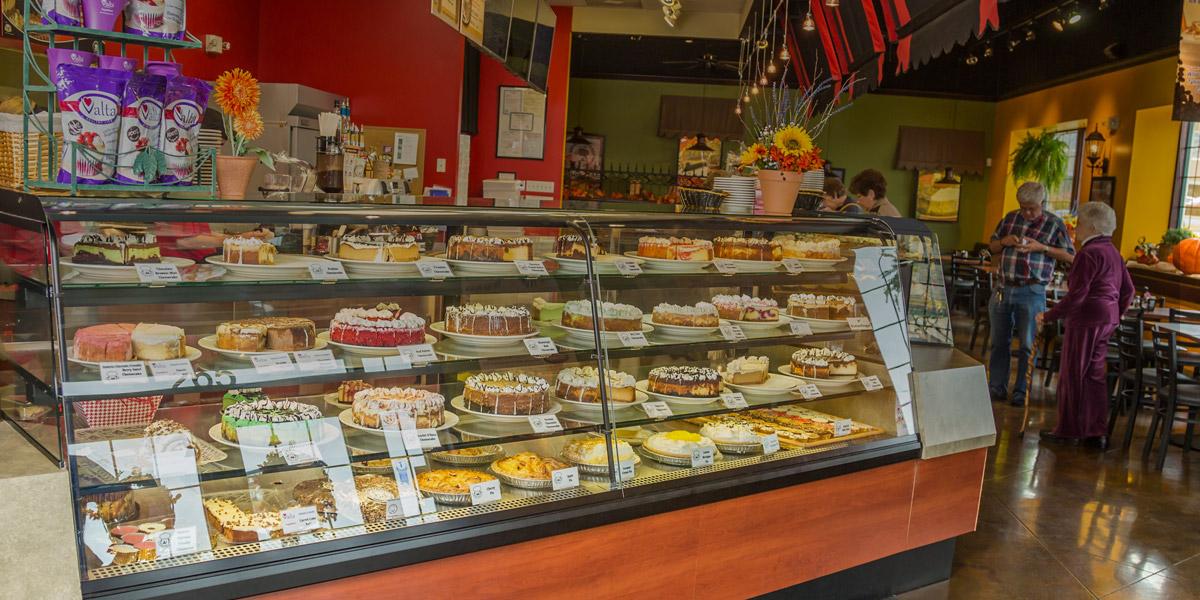
1. Continuous Lighting and Food Chemistry Interactions
Food is not chemically static. When exposed to continuous light, especially in refrigerated environments, it undergoes gradual molecular changes.
One of the most important reactions involved is photooxidation in food, where light energy activates oxygen molecules and initiates breakdown processes in fats, proteins, and pigments.
Over time, continuous exposure leads to:
- Breakdown of sensitive nutrients
- Color fading in fresh products
- Development of off-flavors
- Structural weakening of food texture
These reactions are amplified by food photochemical reactions, which continue as long as lighting is present, even at low intensity.
2. Why Continuous Exposure Is More Damaging Than Brightness
A common misconception in retail design is that higher brightness causes more damage than duration. In reality, continuous exposure creates cumulative stress that is far more harmful.
This is because degradation is driven by total energy absorbed over time, not just intensity levels.
Key effects of long exposure cycles include:
- Increased oxidative stress in food
- Faster nutrient degradation light exposure
- Progressive breakdown of food pigments
- Reduced stability of packaged products
Even energy-efficient LED systems can contribute to spoilage if they remain active for long uninterrupted periods.
3. Impact on Different Food Categories
Continuous lighting does not affect all foods equally. Sensitivity depends on composition, especially fat, protein, and pigment content.
Dairy and Fat-Rich Products
These are highly sensitive due to lipid structure. Continuous exposure leads to:
- Rapid lipid oxidation food display effects
- Rancid flavor development
- Loss of creamy texture and freshness
Meat and Protein-Based Foods
Proteins react strongly under prolonged exposure:
- protein degradation light exposure
- color darkening or fading
- texture deterioration
Fruits, Vegetables, and Prepared Foods
These products suffer from:
- pigment instability
- moisture loss
- gradual light sensitive food compoundsbreakdown
Each category responds differently, but all are affected by cumulative exposure cycles.
4. Role of Spectral Energy in Continuous Exposure Damage
Lighting systems do not only differ in duration but also in wavelength composition. The spectral power distribution LED determines how energy is distributed across visible light.
High-energy wavelengths, especially blue light, significantly accelerate chemical reactions in food. When combined with continuous operation, this leads to:
- Faster food photochemical reactions
- Increased degradation rates in sensitive products
- Higher risk of visual quality loss
This makes spectral design as important as timing control in refrigerated environments.
5. Refrigerated Display Conditions Intensify the Problem
In refrigerated cases, lighting is used alongside cooling systems. While temperature slows microbial growth, it does not stop light-driven reactions.
This creates a dual-effect environment where:
- Cooling preserves structure
- Lighting accelerates chemical breakdown
This imbalance is a major contributor to light induced food degradation in modern retail systems.
Common issues include:
- Uneven product quality across shelves
- Faster spoilage in high-light zones
- Reduced food quality preservation lighting effectiveness
- Increased product shrink over time
6. Operational Impact for Retailers
Continuous lighting cycles directly affect retail profitability. Even when temperature control is optimized, lighting inefficiencies can lead to hidden losses.
Key operational challenges:
- Reduced shelf life across perishable categories
- Increased food waste and shrinkage
- Higher replacement and restocking frequency
- Decline in product visual appeal
These issues often go unnoticed because degradation is gradual rather than immediate.
7. Strategies to Reduce Continuous Lighting Damage
Retailers can significantly reduce food degradation by optimizing lighting behavior rather than simply adjusting brightness.
Effective strategies include:
- Implementing timed or motion-based lighting systems
- Reducing unnecessary overnight illumination
- Using food safe lighting spectrum designs
- Monitoring light exposure measurement food levels in critical zones
- Balancing lighting duration with refrigeration cycles
These methods help control cumulative exposure and improve overall product stability.
Conclusion
Continuous lighting cycles accelerate food degradation by increasing cumulative exposure time, which intensifies chemical reactions in sensitive food products. Unlike brightness, duration determines how much energy food absorbs, making it the dominant factor in quality loss.
By controlling exposure time, optimizing spectral design, and improving lighting strategies in refrigerated environments, retailers can significantly reduce waste and maintain higher product quality across all food categories.
For More Information
For more insights on advanced retail lighting technologies and food preservation systems, visit www.freshfoodlighting.com
The platform offers specialized solutions designed to optimize lighting performance, improve food quality protection, and support efficient supermarket display operations.
