
Introduction
In retail food environments, photooxidation in food is one of the most important chemical processes responsible for quality loss under lighting exposure. Although all food groups are affected by light, proteins, fats, and carbohydrates react at very different rates depending on their molecular structure and sensitivity to light energy.
Understanding these differences is essential for designing better display environments, improving shelf life, and reducing food waste in supermarkets and commercial food outlets.
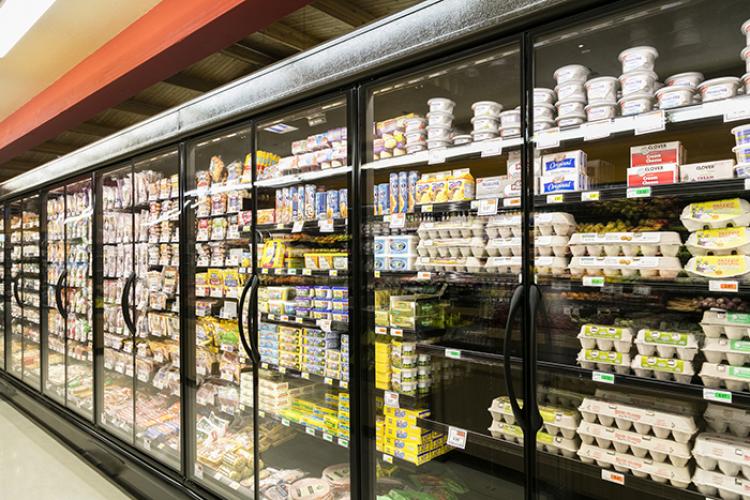
What is Photooxidation in Retail Food Systems
Photooxidation is a light-driven chemical reaction where oxygen interacts with food molecules after absorbing light energy. This process leads to structural and sensory changes in food products.
Key outcomes of photooxidation:
- Flavor deterioration
- Color fading or browning
- Texture breakdown
- Nutrient loss
This process is directly linked to light induced food degradation, especially in illuminated display cases where exposure is continuous.
Photooxidation in Protein-Based Foods
Proteins are highly sensitive to light exposure due to their complex molecular structures.
In protein-rich foods such as:
- Meat
- Poultry
- Seafood
- Prepared meals
Key reactions include:
- Protein unfolding and structural damage
- Formation of off-flavors
- Loss of texture integrity
- Increased oxidative stress reactions
This is strongly influenced by protein degradation light exposure, where even moderate lighting can trigger noticeable quality changes over time.
Protein-based foods tend to show rapid quality decline when exposed to high-energy wavelengths.
Photooxidation in Fat-Rich Foods
Fats are even more reactive than proteins when exposed to light, especially in retail environments.
Common fat-rich products:
- Dairy products
- Bakery items
- Fried foods
- Processed meats
Major effects:
- Lipid oxidation
- Rancid flavor development
- Aroma loss
- Color changes
This is closely associated with lipid oxidation food display, where fats break down rapidly under light exposure, particularly in high-blue spectrum lighting conditions.
Fat oxidation is one of the fastest degradation processes in retail displays.
Photooxidation in Carbohydrate-Based Foods
Carbohydrates are generally more stable but still react under prolonged exposure to light.
Examples include:
- Baked goods
- Fruits
- Confectionery
- Starchy foods
Key effects:
- Sugar breakdown in some cases
- Surface discoloration
- Moisture imbalance
- Loss of freshness perception
While slower than fats and proteins, carbohydrates still experience food photochemical reactions that gradually impact appearance and quality.
Role of Spectral Power in Different Food Reactions
Not all light is equal. The type of wavelength plays a major role in how quickly photooxidation occurs.
Key factors:
- Blue light accelerates oxidation reactions
- UV-related wavelengths increase molecular instability
- Balanced spectra reduce reaction speed
- Poorly designed lighting increases uneven degradation
This is defined by spectral power distribution LED, which determines how energy is distributed across the visible spectrum.
Light Exposure and Cumulative Damage
Photooxidation is not only about light strength but also exposure time.
Important concepts:
- Short exposure = minimal damage
- Continuous exposure = cumulative degradation
- High-frequency exposure cycles = accelerated spoilage
This is measured through light exposure measurement food and light dose food degradation, which help quantify long-term risk in retail environments.
Differences in Food Sensitivity
Each food category reacts differently based on its chemical composition.
Sensitivity ranking:
- Fats: highest sensitivity (fast oxidation)
- Proteins: moderate to high sensitivity
- Carbohydrates: lower but cumulative sensitivity
These differences are also influenced by light sensitive food compounds, which vary across product types.
Refrigerated Displays and Hidden Acceleration
Even in chilled environments, light-driven reactions continue.
Common retail issues:
- Uneven degradation across shelves
- Faster spoilage in high-light zones
- Reduced shelf life consistency
- Increased product shrink
This makes refrigerated display lighting a critical factor in controlling quality loss.
Strategies to Reduce Photooxidation in Retail
Modern retail systems use advanced lighting design to minimize chemical reactions.
Effective strategies include:
- Use of food safe lighting spectrum
- Reduction of high-energy wavelength exposure
- Optimized fixture placement
- Controlled exposure duration
- Integration with refrigeration design
These methods significantly reduce light exposure shelf life impact across all food categories.
Conclusion
Photooxidation rates vary significantly between proteins, fats, and carbohydrates due to differences in molecular structure and light sensitivity. Fats react the fastest, proteins follow closely, while carbohydrates show slower but still measurable changes.
Understanding lipid oxidation food display and protein degradation light exposure helps retailers design better lighting systems that protect food quality, reduce waste, and improve shelf life consistency across all product categories.
For More Information
For more insights on advanced retail lighting technologies and food preservation systems, visit www.freshfoodlighting.com The platform offers specialized solutions designed to optimize lighting performance, improve food quality protection, and support efficient supermarket display operations.
