
Introduction
In retail food environments, temperature control is usually discussed in terms of air temperature. However, scientific research and real-world retail performance show that surface temperature is far more critical in determining food quality, safety, and shelf life. Even when air temperature inside a refrigerated case appears stable, food surfaces can experience fluctuations that directly accelerate spoilage and degradation. This is especially important in systems using refrigerated display lighting, where radiant heat, airflow patterns, and product positioning all contribute to uneven surface conditions. Understanding this distinction is essential for improving food quality preservation lighting strategies and reducing food waste in modern retail environments.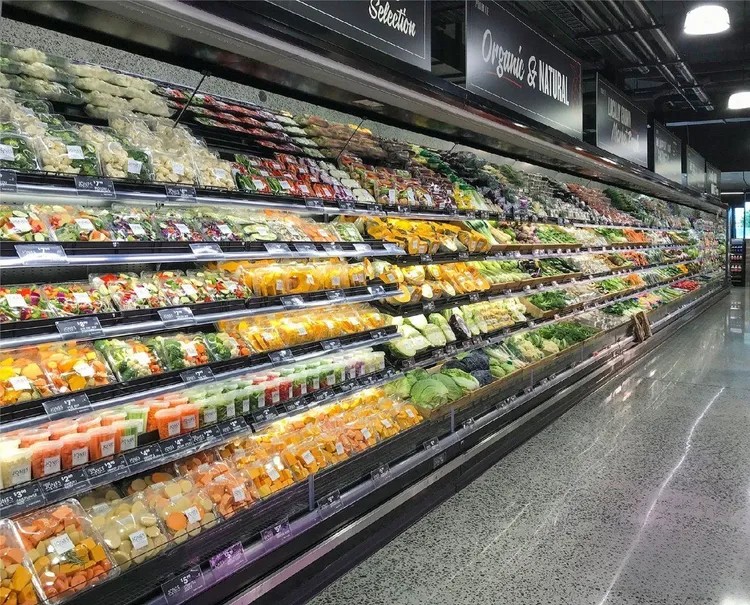
1. Air Temperature vs Surface Temperature: The Key Difference
Air temperature refers to the overall ambient condition inside a display case. Surface temperature, however, is the actual temperature experienced by the food itself.
While air temperature may remain within safe limits, food surfaces respond differently due to:
- direct light exposure
- radiant heat transfer
- airflow disruption
- packaging material conductivity
This is why food display case lighting systems can maintain acceptable air conditions but still allow localized spoilage at product level.
Surface temperature is the true indicator of food stability, not air temperature alone.
2. Why Surface Temperature Changes Are More Critical
Food deterioration reactions occur at the surface level. This is where oxygen, light, and heat interact directly with food compounds.
Key processes influenced by surface temperature include:
- photooxidation in food
- food photochemical reactions
- lipid breakdown and rancidity
- pigment fading and discoloration
Even minor surface temperature increases can accelerate food degradation from light exposure, especially in sensitive products like dairy, meat, and prepared foods.
3. The Role of Lighting in Surface Heating
Lighting systems are one of the most overlooked contributors to surface temperature changes in food cases.
Radiant energy emitted from LEDs and other lighting systems directly impacts exposed products. Over time, this leads to:
- localized warming on product surfaces
- uneven heat distribution across shelves
- increased oxidative stress in food
- faster nutrient degradation light exposure
This effect is amplified in refrigerated display lighting systems where lights operate continuously for merchandising visibility.
4. Airflow Limitations and Surface Instability
Air circulation inside display cases is designed to maintain temperature uniformity, but it does not always reach food surfaces effectively.
Common airflow issues include:
- blocked circulation due to product placement
- uneven cooling across shelves
- weak air curtain performance
- thermal layering near lighting zones
These conditions contribute to light induced food degradation, even when overall refrigeration performance appears normal.
5. Why Surface Temperature Drives Food Chemistry
Most food deterioration reactions are surface-based because that is where environmental exposure is highest.
Surface temperature affects:
- enzyme activity rates
- oxidation speed
- moisture loss
- microbial sensitivity in borderline conditions
This is why light sensitive food compounds react more aggressively when surface conditions fluctuate, even slightly.
6. Impact on Different Food Categories
Different foods respond differently to surface temperature changes.
- Dairy Products
- Rapid fat instability
- Increased lipid oxidation food display effects
- Reduced freshness perception
- Meat and Seafood
- Color fading due to oxidation
- Texture breakdown on exposed surfaces
- Higher spoilage risk at warm spots
- Bakery and Prepared Foods
- Moisture loss and crust hardening
- Texture imbalance
- Reduced visual appeal
- Fruits and Vegetables
- Pigment instability
- Increased respiration rate
- Uneven ripening due to surface heat
These differences highlight the importance of monitoring surface conditions rather than relying only on air temperature readings.
7. Interaction Between Light and Surface Temperature
Light and heat work together to accelerate degradation. When food surfaces are exposed to both radiant energy and oxygen, chemical reactions intensify.
This leads to:
- increased light dose food degradation
- stronger food photochemical reactions
- faster breakdown of pigments and nutrients
- reduced food quality preservation lighting effectiveness
Even small temperature changes at the surface level can significantly amplify these effects.
8. Why Air Temperature Alone Is Misleading
Many refrigeration systems are designed around air temperature sensors. However, this approach ignores localized variations.
Problems with air-only measurement include:
- inability to detect surface hotspots
- masking of localized spoilage risks
- delayed response to lighting-induced heating
- inaccurate assessment of product stability
As a result, food may appear safe while still experiencing degradation at the surface level.
9. Retail Lighting and Refrigeration Integration
To address surface-level instability, lighting and refrigeration systems must be designed together.
Best practices include:
- using food safe lighting spectrum systems
- optimizing spectral power distribution LED output
- reducing direct light-to-product exposure
- improving airflow alignment with lighting zones
- integrating light exposure measurement food monitoring
These strategies help balance visibility with thermal stability.
10. Operational Impact on Retail Performance
Ignoring surface temperature variations can lead to significant business losses.
Common consequences include:
- increased shrink and waste
- inconsistent product quality
- reduced shelf life
- higher operational costs
- lower customer satisfaction
Improving surface stability directly supports better supermarket lighting optimization and overall efficiency.
Conclusion
Surface temperature changes are a far more accurate indicator of food quality than air temperature in refrigerated cases. While air conditions may appear stable, localized heating from lighting, airflow limitations, and radiant energy can create hidden zones of degradation. These surface-level variations directly influence oxidation, nutrient loss, and product shelf life.
By prioritizing surface temperature control alongside air management, retailers can significantly improve food quality, reduce waste, and enhance overall display performance.
For More Information
For more insights on advanced retail lighting technologies and food preservation systems, visit www.freshfoodlighting.com
The platform offers specialized solutions designed to optimize lighting performance, improve food quality protection, and support efficient supermarket display operations.
