
Which foods react fastest to harmful lights, and the operational settings that slow changes in color and flavor
Photooxidation is a chemical reaction triggered by light exposure that can rapidly degrade the quality of perishable foods. In refrigerated display cases, harmful light wavelengths can accelerate color changes, flavor loss, and nutrient breakdown, affecting meats, seafood, dairy, and produce. For grocery operators, understanding which foods are most sensitive and implementing operational controls is essential to reduce spoilage, maintain freshness, and protect profitability.
This guide outlines practical steps store teams can take to control photooxidation, including lighting choices, placement strategies, and case management best practices.
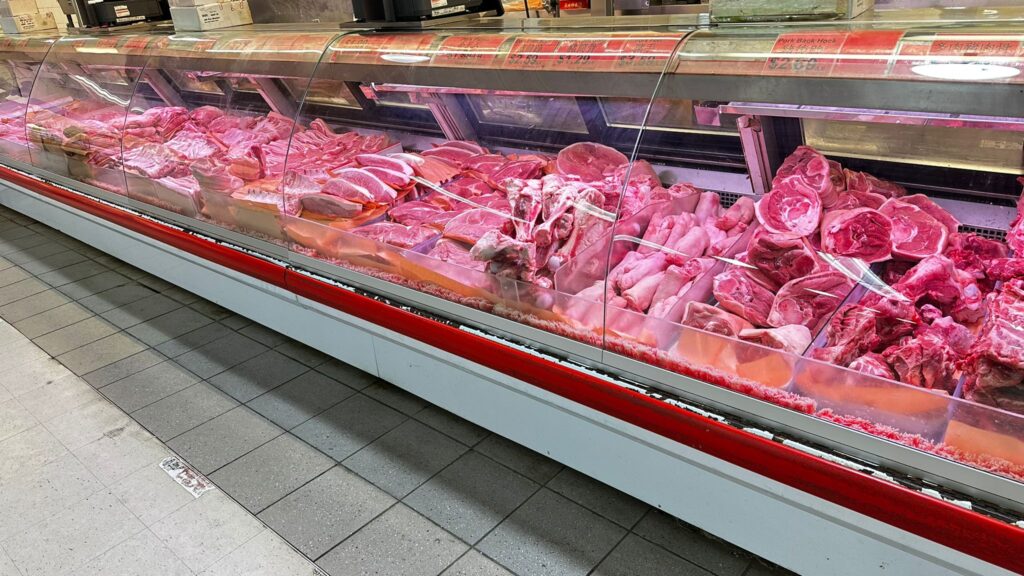
Why Photooxidation Matters in Retail
Photooxidation affects products in visible and invisible ways:
- Color loss: Meats, fish, and leafy greens lose their vibrant hues, making them appear less fresh.
- Flavor changes: Lipid oxidation produces off-flavors, especially in dairy and fatty foods.
- Nutrient degradation: Vitamins and antioxidants are sensitive to certain light spectra, reducing product value.
- Customer perception: Shoppers rely on visual cues; even minor discoloration can lead to lower sales.
Reducing exposure to harmful light directly supports product quality, shelf life, and customer trust.
Foods Most Sensitive to Photooxidation
Not all perishable foods are equally affected. Knowing which items react fastest allows teams to prioritize protection:
- Meats and seafood: Oxidation changes pigment color, producing brown or gray hues. Fish and shellfish show visible deterioration quickly.
- Dairy products: Milk, cheese, and spreads are prone to lipid oxidation, creating off-flavors and yellowing.
- Leafy greens and herbs: Chlorophyll breakdown leads to wilting and browning, impacting appearance and perceived freshness.
- Cut fruits and prepped produce: High water content and surface exposure accelerate color loss and texture changes.
Focusing controls on these categories provides the greatest reduction in waste and shrink.
Light Spectrum and Intensity
Understanding the type of light in display cases is key to controlling photooxidation:
- Balanced-spectrum LEDs: Designed to illuminate products while minimizing harmful wavelengths that trigger oxidation.
- Avoid high-intensity white or fluorescent lights: These can accelerate pigment breakdown and lipid oxidation.
- Consistent brightness: Fluctuating light intensity increases stress on products, leading to uneven discoloration.
Teams should verify that lighting systems are designed for perishable displays, not general retail environments.
Placement Strategies to Reduce Exposure
Even with appropriate lighting, placement determines how much light each product receives:
- Top lighting: Ideal for general illumination but should be angled to prevent overexposure of top shelves.
- Shelf lighting: Use diffused or indirect light for lower shelves to reduce shadowing and avoid hotspots.
- Corner and edge protection: Ensure products in case corners receive balanced light to prevent accelerated photooxidation.
Regularly assessing the distribution of light across shelves ensures uniform protection for all items.
Operational Practices That Limit Damage
Store teams can implement several operational controls to slow photooxidation:
- Rotation schedules: Rotate stock to minimize extended exposure for individual items.
- Temperature control: Maintain optimal refrigeration; higher temperatures increase reaction rates.
- Humidity management: Prevent surface drying in leafy greens and cut produce, as moisture loss accelerates oxidation.
- Protective covers: For open cases or overnight periods, consider using covers or shields to reduce light exposure.
Even small adjustments in handling routines can significantly improve product appearance and flavor retention.
Monitoring and Staff Training
Employee awareness is crucial in preventing light-induced spoilage:
- Visual checks: Regularly inspect products for signs of discoloration or off-odors.
- Training on light sensitivity: Educate staff on which foods react fastest and how to position or rotate them.
- Documentation: Track affected SKUs and monitor trends to identify potential adjustments in lighting or placement.
Well-informed teams can make immediate operational changes that prevent costly shrink.
Integrating Technology for Prevention
Modern solutions complement operational efforts:
- LED systems designed for perishables: Balanced-spectrum LEDs from suppliers like Promolux reduce oxidative stress on products.
- Lighting timers and dimmers: Limit exposure during low-traffic hours to slow degradation.
- Sensor monitoring: Some systems measure case illumination and alert staff to hotspots or overexposed areas.
Combining technology with disciplined store practices produces the best outcomes in both quality and waste reduction.
Conclusion
Photooxidation is a major contributor to visible and invisible spoilage in refrigerated display cases. Meats, seafood, dairy, leafy greens, and prepped produce are particularly sensitive to harmful light exposure, but store teams have multiple levers to control the damage. By using balanced-spectrum lighting, strategic placement, protective practices, and staff training, retailers can slow product degradation, maintain flavor and color, and reduce shrink.
Grocery operators seeking to implement practical, effective solutions to photooxidation can explore purpose-built lighting and operational strategies at www.freshfoodlighting.com. Investing in proper controls safeguards product quality, improves customer satisfaction, and enhances profitability across the store.
