
A field list (length, driver, mounting, lens angle, power) that prevents wrong-fit installs
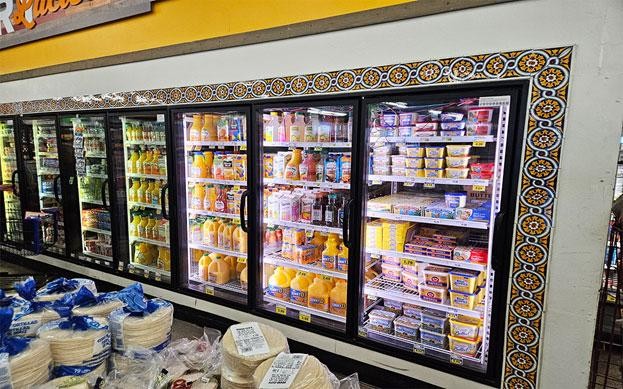
Upgrading to LED lighting in refrigerated display cases can improve product appearance, reduce energy consumption, and extend shelf life. However, a poorly planned retrofit can lead to installation challenges, uneven lighting, and wasted investment. Taking precise measurements before ordering LED fixtures ensures the right fit and performance while preventing costly rework. This guide provides a step-by-step checklist for store teams, facility managers, and procurement staff to make informed decisions.
Why Proper Measurements Matter
Retrofitting is not simply about swapping one light for another. Refrigerated cases have specific requirements:
- Shelf spacing and dimensions affect how light distributes across products.
- Power type and drivers must be compatible with existing electrical systems.
- Lens angles and mounting locations determine illumination uniformity and reduce glare.
- Case cooling performance can be impacted by improper fixture heat output.
- Without accurate measurements, retailers risk uneven lighting, overheating, or fixtures that physically do not fit, compromising both product appearance and case efficiency.
Step 1: Measure Case Length
Start by measuring the interior length of the case:
- Record the total usable length across all shelves.
- Identify sections where lighting may need to be split due to shelf dividers or recessed areas.
- Note corners or irregular shapes that may require custom fixtures or angled mounts.
- Accurate length measurements ensure the LED strips or tubes cover the entire display evenly, preventing dark zones or overexposed areas.
Step 2: Determine Power and Driver Compatibility
LEDs require compatible drivers for optimal performance:
- Identify the existing voltage supply (e.g., 120V or 240V).
- Check amperage limits and confirm that the driver supports the total wattage of the planned fixtures.
- Determine whether a single driver can run multiple fixtures or if separate drivers are needed per section.
- Confirming driver compatibility prevents flickering, overheating, or premature fixture failure after installation.
Step 3: Assess Mounting Points and Fixture Type
Mounting affects light distribution and installation ease:
- Identify existing mounting brackets, rails, or recesses.
- Measure depth and clearance to ensure new LED fixtures do not interfere with product placement or case doors.
- Determine if direct screw mounts, magnetic clips, or custom brackets are needed.
- Proper mounting ensures secure installation, avoids accidental dislodging, and maintains consistent illumination across all shelves.
Step 4: Evaluate Lens Angle and Light Distribution
Lens angle influences how light reaches products:
- Wide-angle lenses are ideal for multi-tiered cases to evenly illuminate all shelves.
- Narrow-angle lenses focus light on front-row items, enhancing visual appeal for high-margin products.
- Record shelf height and distance from the light source to the product surface to select the appropriate lens.
- This step ensures that the product face is evenly lit, shadows are minimized, and visual appeal is maximized.
Step 5: Check Case Height and Clearance
Height restrictions can impact fixture choice:
- Measure the vertical distance between shelves and ceiling of the case.
- Ensure there is sufficient clearance for LED fixtures and heat dissipation.
- Take note of overhanging signage, glass panels, or airflow vents that could obstruct lighting.
- Height consideration avoids installation conflicts and preserves case ventilation and cooling efficiency.
Step 6: Assess Environmental Conditions
Refrigerated cases have unique operating conditions:
- Measure internal temperature ranges; high-humidity or frost-prone areas may require sealed or oisture-resistant fixtures.
- Note airflow patterns from fans that could affect LED heat output or longevity.
- Check for direct exposure to condensation or splashes, especially in produce or seafood cases.
- Selecting fixtures suitable for environmental conditions reduces maintenance and extends LED lifespan.
Step 7: Document and Confirm Measurements
Create a comprehensive measurement log for each case:
- Length and width of each section
- Case height and shelf spacing
- Power type, voltage, and driver specifications
- Mounting points and required brackets
- Lens angle requirements
- Environmental conditions (temperature, humidity, airflow)
- Having a complete log allows suppliers to recommend the correct fixtures and prevents ordering errors.
Benefits of a Proper LED Retrofit
When measurements are accurate and fixtures are correctly specified:
- Consistent product lighting: Even illumination enhances visual appeal and supports sales.
- Reduced energy use: LEDs consume less power than traditional lighting, improving operational efficiency.
- Lower maintenance: Correctly installed fixtures last longer, reducing labor for replacements.
- Enhanced shelf life: Food-safe LEDs reduce photooxidation and dehydration in perishable items.
Tips for Successful Installation
- Engage store maintenance teams early to confirm measurements and installation feasibility.
- Schedule retrofits during low-traffic hours to minimize disruption.
- Test one section first before full deployment to validate brightness, color, and coverage.
- Ensure all team members understand operating procedures for switches, timers, and cleaning.
Conclusion
An LED retrofit can transform refrigerated display cases, enhancing product visibility, reducing spoilage, and lowering energy costs. However, success depends on precise measurements and planning before ordering. By following a detailed field checklist including case length, power and driver compatibility, mounting points, lens angle, clearance, and environmental factors retailers avoid costly mistakes, achieve even lighting, and protect perishable products.
For professional LED solutions designed for all refrigerated food displays, visit www.freshfoodlighting.com and explore fixtures that deliver consistent, safe, and attractive illumination across every department.
