
Introduction
In modern retail environments, lighting is not only a visual merchandising tool but also a source of heat energy that directly affects food quality. Radiant energy from lighting systems can create subtle but important temperature variations inside refrigerated and ambient display cases. These variations, often called micro-temperature zones, can significantly influence product freshness, stability, and shelf life.
Even when refrigeration systems maintain overall set temperatures, localized heat from lighting can disrupt equilibrium and contribute to uneven product conditions. This issue becomes especially important in refrigerated display lighting environments where food safety and quality preservation depend on precise environmental control.
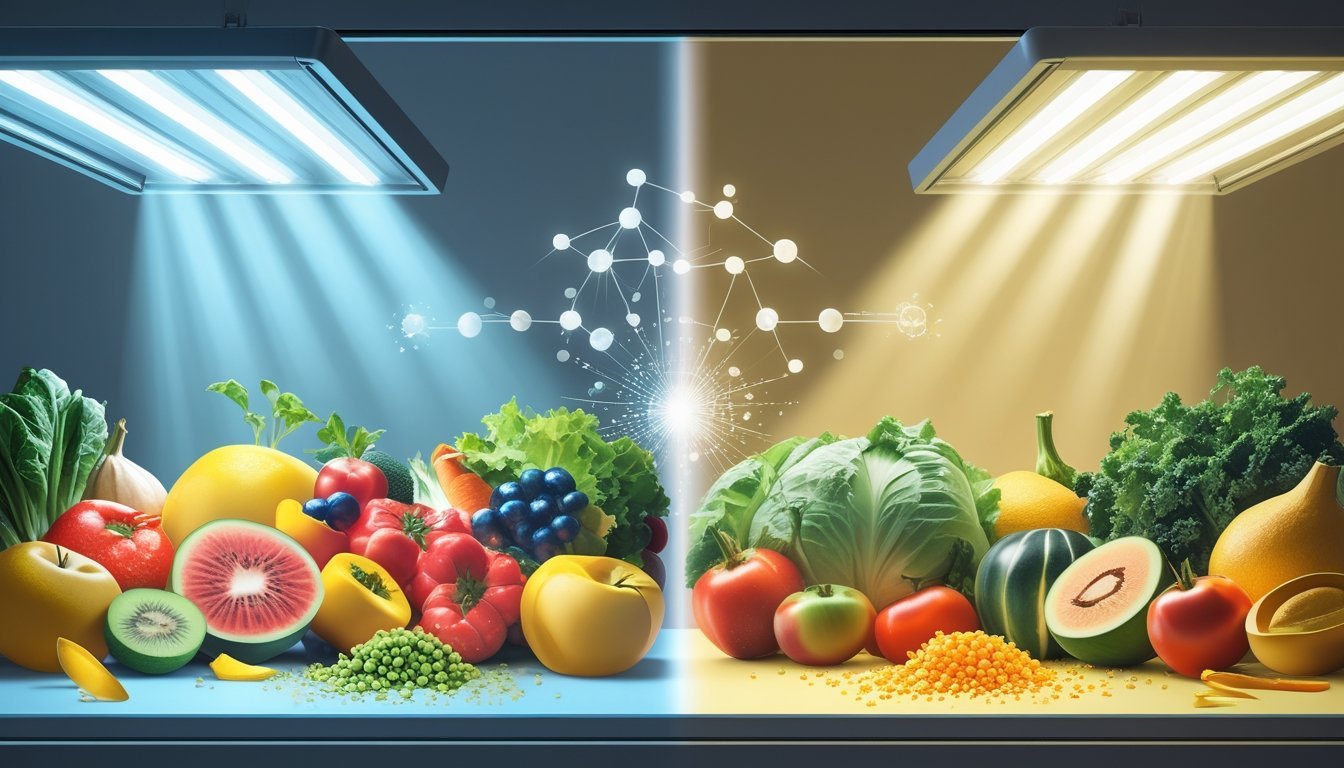
1. Understanding Radiant Energy in Retail Lighting
Radiant energy is the heat emitted from lighting systems during operation. While modern LEDs are more efficient than traditional lighting, they still generate measurable thermal output.When this energy interacts with enclosed or semi-enclosed food displays, it contributes to localized warming. Over time, this leads to micro-level temperature differences across shelves and product zones.Key effects include:- Uneven heat distribution inside display cases
- Localized warming near lighting fixtures
- Disruption of airflow balance
- Increased stress on chilled products
2. Formation of Micro-Temperature Zones
Micro-temperature zones are small areas within a display case where temperature differs from the surrounding environment. These zones are not always visible but have a significant impact on food chemistry.
They form due to:
- Concentrated radiant energy from lighting fixtures
- Poor airflow circulation in display units
- Reflection of light onto product surfaces
- Insufficient insulation between lighting and food areas
Even minor temperature changes can accelerate food degradation from light exposure, especially in sensitive products.
3. Interaction Between Heat and Food Chemistry
Temperature fluctuations caused by radiant energy can speed up chemical reactions in food. This is particularly important in chilled environments where products are expected to remain stable.
Key reactions influenced by micro-temperature zones include:
- photooxidation in food
- lipid breakdown in fats
- accelerated enzyme activity
- increased microbial sensitivity in borderline conditions
These reactions contribute to food photochemical reactions, which become more active when light and heat combine.
4. Impact on Perishable Food Categories
Different food types respond differently to micro-temperature variations.
- Dairy Products
- Faster fat instability
- Changes in texture consistency
- Reduced food quality preservation lighting effectiveness
- Meat and Seafood:
- Increased lipid oxidation food display effects
- Color fading and surface drying
- Reduced shelf stability
- Bakery and Prepared Foods:
- Moisture imbalance
- Texture softening in warm zones
- Reduced visual freshness
- Fruits and Vegetables
- Accelerated pigment breakdown
- Increased respiration rate
- Reduced shelf life consistency
These variations highlight the importance of controlling both lighting and temperature simultaneously.
5. Role of Lighting Design in Temperature Control
Lighting design plays a crucial role in preventing micro-temperature formation. Poorly positioned fixtures can intensify heat concentration in specific zones.
Key contributing factors:
- High-intensity fixtures placed too close to products
- Inadequate thermal separation between lights and shelves
- Poor ventilation in enclosed display units
- Inefficient spectral power distribution LED systems
When lighting systems are not optimized, they can unintentionally increase light induced food degradation by combining heat and light exposure effects.
6. Refrigeration System Interaction
Refrigeration systems are designed to maintain stable temperatures, but radiant energy introduces additional load.
This leads to:
- Increased cooling demand in affected zones
- Uneven airflow distribution
- Reduced refrigerated display lighting efficiency
- Localized warming near lighting hotspots
Over time, this imbalance affects overall system performance and increases operational energy use.
7. Chemical Impact of Combined Light and Heat
When radiant energy and light exposure act together, food degradation accelerates significantly.
This includes:
- Increased oxidative stress in food
- Faster nutrient degradation light exposure
- Intensified light sensitive food compounds reactions
- Higher rate of light dose food degradation
These effects are particularly strong in high-fat and protein-rich foods.
8. Strategies to Reduce Micro-Temperature Zones
Retailers can reduce these effects through improved system design and operational strategies.
Effective approaches include:
- Using low-heat food safe lighting spectrum systems
- Optimizing fixture placement to reduce direct heat exposure
- Improving airflow circulation in display cases
- Integrating heat-resistant display materials
- Monitoring light exposure measurement food levels
These strategies help maintain uniform conditions and reduce product stress.
9. Importance for Retail Performance
Controlling micro-temperature zones is not just a technical issue—it directly affects profitability.
Poor thermal control leads to:
- Reduced shelf life
- Increased food waste
- Higher shrink rates
- Inconsistent product quality
Optimizing supermarket lighting optimization strategies ensures better balance between visual appeal and food preservation.
Conclusion
Radiant energy from lighting systems plays a significant role in creating micro-temperature zones within food display environments. These subtle temperature variations can accelerate chemical reactions, reduce shelf life, and impact overall food quality. By understanding the interaction between light, heat, and food chemistry, retailers can design more effective display systems that minimize degradation and improve product stability.
Proper integration of lighting and refrigeration is essential to maintaining consistent conditions across all food categories.
For More Information
For more insights on advanced retail lighting technologies and food preservation systems, visit www.freshfoodlighting.com
The platform offers specialized solutions designed to optimize lighting performance, improve food quality protection, and support efficient supermarket display operations.
