
How spectrum, placement, and case conditions affect the “front-row” cuts shoppers notice first
Fresh meat appearance is a critical factor in purchasing decisions. Shoppers often judge quality by color, marbling, and surface sheen in the first few seconds of viewing. Unfortunately, improper display case lighting can accelerate discoloration, create gray edges, and make premium cuts appear less fresh. Understanding how light spectrum, placement, and case conditions influence meat presentation is essential for grocery operators aiming to reduce shrink, maintain quality, and improve customer trust.
This guide provides practical strategies for optimizing meat display lighting, highlighting operational adjustments and technology choices that safeguard appearance without altering storage practices.
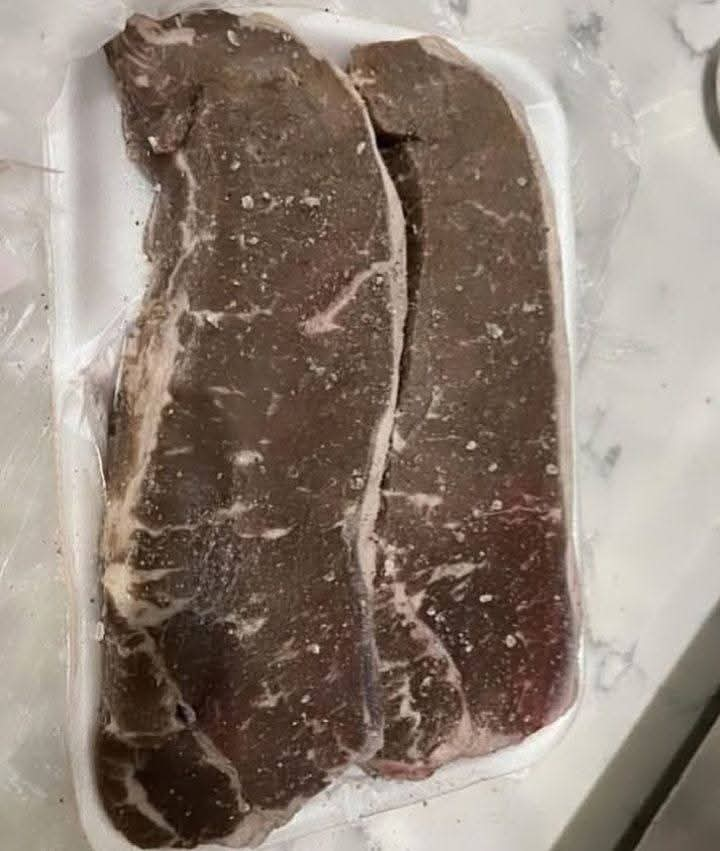
Why Proper Lighting Matters for Fresh Meat
Meat is highly sensitive to both temperature fluctuations and light exposure:
- Color perception: Consumers associate bright, red hues with freshness; gray or brown tones signal spoilage.
- Oxidation: Harmful wavelengths in display lighting accelerate myoglobin oxidation, leading to discoloration even when meat remains safe.
- Shrink and waste: Products that appear less fresh are often removed from the case prematurely, increasing labor and disposal costs.
- Front-row impact: Cuts placed in the most visible areas (“front-row”) receive the most light, making placement and lighting intensity critical.
Investing in purpose-built lighting and careful case management improves visual appeal, customer confidence, and sales.
Selecting the Right Light Spectrum
Not all lights are created equal when it comes to fresh meat:
- Balanced-spectrum LEDs: Designed to maintain natural red tones without triggering accelerated oxidation.
- Avoid high-intensity white or fluorescent lighting: These can intensify gray edges and create uneven color.
- CPI and color rendering: Lights with high Color Performance Index ensure that marbling, fat, and lean muscle appear true to life.
Retailers should evaluate lighting on actual meat products rather than empty display cases, confirming that the spectrum enhances visual appeal without overexposure.
Placement Strategies for Even Illumination
Lighting placement is as important as spectrum:
- Top rail lighting: Provides general illumination but must be angled to prevent front-row overexposure.
- Shelf-integrated or under-shelf lighting: Balances light across lower shelves, ensuring even color across all products.
- Corner and edge adjustments: Avoid hotspots or shadowed areas that can misrepresent quality.
Assessing light distribution across each shelf ensures that cuts in all positions appear consistent and fresh.
Managing Case Conditions
Even with proper lighting, environmental factors within the case affect meat appearance:
- Temperature control: Maintain consistent refrigeration; higher temperatures accelerate oxidation and discoloration.
- Humidity management: Proper humidity reduces surface drying, preventing gray edges and visual shrinkage.
- Airflow: Ensure uniform circulation to prevent microclimates that cause uneven color or condensation.
Monitoring these conditions helps extend the visual shelf life of displayed meat.
Operational Practices to Protect Appearance
Store teams can implement several daily routines to reduce light-induced discoloration:
- Stock rotation: Move older cuts toward the back or lower shelves to limit prolonged exposure in high-light zones.
- Front-row replenishment: Place the freshest cuts in the most visible spots to maintain consistent red tones for shoppers.
- Protective barriers: Use partial shields or diffusers for high-intensity areas to soften light without reducing visibility.
- Regular inspections: Check front-row products for gray edges or uneven coloring and adjust placement or lighting as needed.
Consistent operational discipline prevents gradual quality degradation and reduces unnecessary shrink.
Staff Training and Awareness
Educating employees ensures that lighting strategies are effectively implemented:
- Recognizing discoloration: Teach staff to distinguish between safe oxidation and visual spoilage caused by lighting.
- Lighting adjustments: Employees should understand how to adjust diffusers, angles, or intensity to maintain uniform color.
- Documentation and feedback: Track cases where discoloration occurs to refine placement, spectrum, and handling procedures.
A well-informed team can prevent front-row cuts from looking stale, improving both sales and customer perception.
Real-World Impact on Retail Performance
Proper lighting and case management produce tangible benefits:
- Reduced shrink: Less product is removed due to visual imperfections, cutting labor and disposal costs.
- Higher sales: Appealing front-row cuts drive faster turnover and encourage repeat purchases.
- Customer trust: Consistently fresh-looking meat reinforces brand credibility and shopping confidence.
- Energy efficiency: Optimized lighting minimizes heat output, reducing load on refrigeration units.
Investing in display case lighting is therefore both a visual merchandising strategy and a financial decision.
Conclusion
Gray edges and uneven color in fresh meat are often preventable. By carefully selecting light spectrum, placement, and monitoring case conditions, grocery operators can maintain visual quality, extend shelf life, and reduce shrink. Daily operational practices, combined with purpose-built lighting solutions, create a system that protects perishable products while enhancing customer confidence.
For grocery teams seeking practical guidance on fresh meat display lighting, balanced-spectrum solutions, and operational best practices, visit www.freshfoodlighting.com. Proper illumination ensures that the first cuts shoppers see are the freshest, most appealing, and true to the quality your store promises
