
A practical guide to reducing color shift and drying without raising case temperature
Prepared foods in deli cases, such as salads, cut meats, and prepackaged meals, are visually judged before they are tasted. Customers often make split-second decisions based on color, texture, and overall freshness. However, improper lighting can quickly compromise these key visual cues, causing color shifts, drying, and even off-flavors, which reduce sales and increase waste. Retailers who invest in food-safe, strategically placed lighting can preserve product appearance, extend shelf life, and boost shopper confidence.
This guide explains how lighting affects prepared foods and offers practical strategies to protect visual quality without raising display case temperatures.
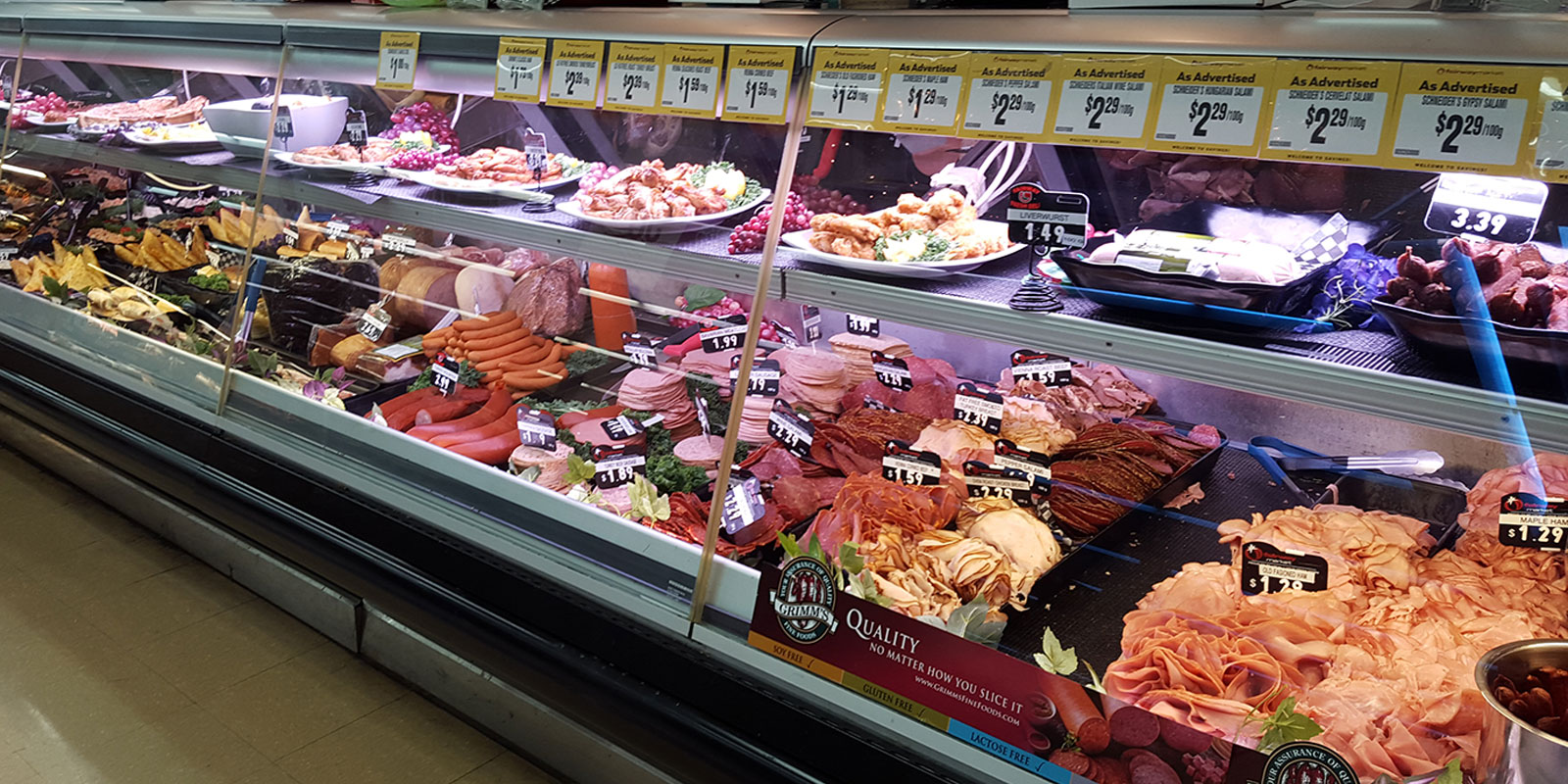
Why Prepared Foods Are Sensitive to Light
Prepared foods contain ingredients with varying light sensitivities:
- Sliced meats:- Oxidation causes red cuts to brown, leading to reduced appeal.
- Leafy greens and salads:- High water content makes them prone to dehydration and wilting under bright or improperly directed light.
- Deli trays with dressings:- Oils and sauces can separate or dry when exposed to excessive heat or UV light.
Even when refrigeration is properly maintained, light-induced damage accelerates spoilage, reduces shelf life, and increases shrink.
The Role of Light Spectrum
Not all lights are equal when it comes to deli products:
- Harmful wavelengths:- High-intensity blue and ultraviolet light can accelerate oxidation in meats and fade pigments in vegetables.
- Balanced spectrum lighting:- LEDs designed for food display emit wavelengths that highlight natural colors while minimizing oxidative reactions.
- Color rendering:- Lighting should accurately reproduce reds, greens, and creamy textures to ensure products appear fresh and appetizing.
Choosing the correct spectrum protects both appearance and customer perception.
Placement Strategies for Optimal Appearance
Proper placement of lighting is crucial to avoid shadows, glare, and uneven exposure:
- Top-mounted fixtures:- Provide overall illumination but must be diffused to prevent hotspots that accelerate drying.
- Shelf-level lighting:-Ensures middle and lower trays receive adequate, even light without overheating products.
- Front-facing angle:- Highlights the product face that shoppers see first, drawing attention to key items like sliced meats or colorful salads.
Retailers should test light placement across all case levels to maintain consistent appearance throughout the display.
Managing Case Temperature
Lighting should enhance visibility without adding unnecessary heat:
- Low-heat LED options:- Modern LEDs produce minimal heat compared to traditional fluorescent or incandescent bulbs.
- Distance and diffusion:- Keeping lights a safe distance from products and using diffusers helps maintain stable case temperatures.
- Monitoring:- Regularly check temperature profiles across shelves to ensure lighting does not compromise refrigeration performance.
Reducing heat exposure slows moisture loss, preserves dressings, and protects proteins from early degradation.
Fixture and Lens Selection
The right fixture and lens combination ensures even light distribution:
- Diffused lenses:- Spread light uniformly to prevent hot spots and shadows.
- Adjustable angles:- Allow staff to reposition lights for seasonal products or changes in case layout.
- Narrow beams for feature items:- Highlight specific trays or premium cuts without overexposing other products.
Fixtures designed specifically for refrigerated or deli environments combine efficiency with protection of sensitive ingredients.
Operational Best Practices
Lighting is most effective when integrated with proper case management:
- Product rotation:- Position older trays in front to minimize light exposure time.
- Covering trays during off-peak hours:- Limits continuous exposure to even safe lighting.
- Staff training:- Educate team members on early signs of light-induced color changes or drying.
- Regular cleaning:- Dust and smudges on glass reduce light penetration and create uneven exposure, affecting product appearance.
These practices complement lighting choices, helping maintain consistent visual quality.
Reducing Shrink and Boosting Profitability
Effective deli case lighting directly impacts shrink and operational costs:
- Lower product loss:- Maintaining natural color and moisture reduces discarded items.
- Improved shopper confidence:- Products that look fresh encourage repeat purchases and higher sales.
- Labor efficiency:- Less frequent rotation and handling frees staff for customer service and merchandising.
- Energy savings:- Food-safe LED lighting consumes less power, reducing refrigeration load and utility costs.
Even small daily improvements in shrink prevention accumulate into substantial financial benefits over time.
Measuring Success
Retailers can track the effectiveness of deli case lighting through:
- Shrink reduction:- Monitoring discarded or returned trays due to appearance issues.
- Visual consistency audits:- Ensuring all shelves maintain even color and texture.
- Customer satisfaction:- Observing repeat sales and customer feedback regarding freshness.
- Energy and labor metrics:- Tracking the combined benefits of efficient lighting and reduced spoilage.
Using these metrics provides clear evidence of ROI and supports continuous improvement initiatives.
