
Placement and lens choices that cut reflections and keep fish looking clean under glass
Seafood displays are among the most visually demanding sections in retail stores. Fish and shellfish are sold primarily by their appearance fresh, vibrant, and clean. However, the reflective nature of wet surfaces and ice beds often creates glare, hotspots, or shadowing that can make even high-quality products look unappealing. Proper lighting is crucial not only for aesthetics but also for reducing perceived spoilage, maintaining customer trust, and minimizing waste.
This guide outlines practical lighting strategies, lens considerations, and placement techniques to help store teams present seafood in the best possible way.
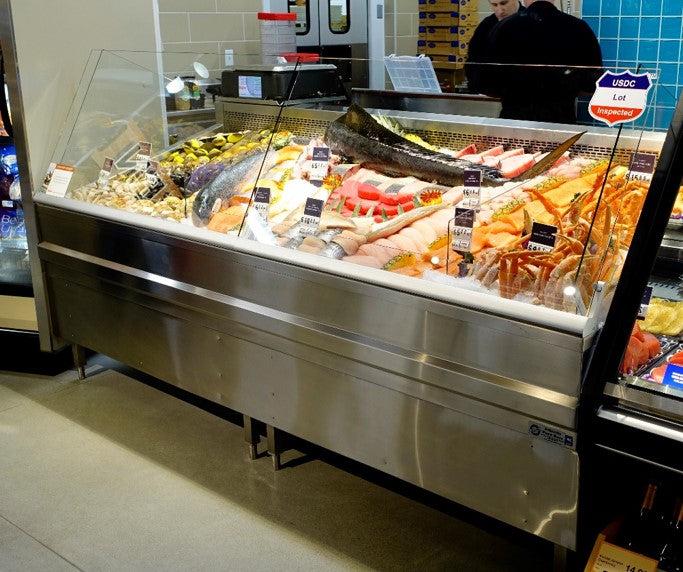
Why Glare Matters in Seafood Displays
Customer perception of seafood freshness is directly influenced by what they see:
- Reflections on wet surfaces: Fish scales, ice, and packaging films reflect light, creating bright spots that can obscure color and texture.
- Uneven illumination: Overexposed areas appear washed out, while shadows make other portions look dull or discolored.
- Visual cues and purchase decisions: Shoppers often avoid products that appear gray, cloudy, or poorly lit, even if they are fresh.
Glare not only diminishes product appeal but also increases the likelihood of returns and shrink due to perceived spoilage.
Key Lighting Considerations for Seafood
Several lighting factors significantly impact seafood presentation:
- Balanced-spectrum lighting: LEDs designed for food display preserve natural red and pink tones in fish while enhancing contrast and detail.
- Intensity control: Overly bright lights cause reflection hotspots, whereas too dim lighting hides natural color, reducing appeal.
- Angle and direction: Light should hit products at a flattering angle without bouncing directly into customers’ eyes or reflecting off ice beds.
Using purpose-built lighting tailored for seafood displays ensures consistent color, minimizes oxidation risk, and enhances overall visual quality.
Lens and Fixture Selection
The right lens and fixture choice can dramatically reduce glare and hotspots:
- Diffused lenses: Spread light evenly across the case, softening reflections on ice or wet fish.
- Narrow beam angles: Direct light precisely on product areas without spilling onto reflective surfaces or glass panels.
- Adjustable fixtures: Allow staff to fine-tune angles as inventory or case arrangements change.
Investing in fixtures designed specifically for seafood cases protects appearance without requiring constant repositioning or trial-and-error setups.
Placement Strategies for Ice Bed Displays
Ice beds present unique challenges due to their high reflectivity:
Top-down lighting: Provides general illumination but must be diffused to avoid hotspots.
Side or angled lights: Reduce shadows and illuminate surfaces that are partially covered by crushed ice or shellfish.
Avoid direct reflection into customer sightlines: Position lights so reflections do not distract or mislead shoppers.
Correct placement ensures all products are equally visible, maintaining a clean, fresh presentation across the display.
Operational Practices to Maintain Seafood Appearance
Lighting alone cannot solve all display issues. Proper operational practices complement illumination:
- Regular ice replenishment: Ensures even reflectivity and avoids dry patches that create uneven highlights.
- Moisture management: Spray or mist systems keep products hydrated without creating excessive glare.
- Rotation discipline: Rotate seafood to the front so the freshest items are most visible under optimal lighting.
- Cleaning schedule: Clean ice, cases, and glass surfaces regularly to prevent haze or residue that increases reflection problems.
Combined with appropriate lighting, these practices significantly reduce perceived spoilage and waste.
Reducing Shrink Through Proper Lighting
Glare and uneven illumination can increase shrink even when products are fresh:
- Avoiding false discoloration: Proper lighting prevents gray edges or dull appearance, reducing premature discards.
- Maintaining consumer confidence: Visually appealing seafood encourages immediate purchase, improving turnover.
- Operational efficiency: Less frequent replacement of items removed for visual reasons saves labor and improves staff productivity.
By controlling light intensity, angle, and spectrum, retailers preserve both product quality and profitability.
Technology Integration and Staff Training
A holistic approach to seafood lighting includes:
- LEDs designed for food-safe display: Protects color, reduces oxidation, and maintains moisture.
- Lighting monitoring systems: Track intensity and uniformity to ensure consistent appearance.
- Staff training: Employees learn to adjust fixtures, monitor case conditions, and identify glare hotspots before they impact sales.
This integration of technology and operational awareness ensures seafood remains appealing throughout display hours.
Real-World Impact
Stores implementing proper seafood lighting report tangible benefits:
- Reduced product waste: Fewer packages are discarded due to perceived spoilage.
- Enhanced sales: Shoppers are more likely to buy visually appealing fish and shellfish.
- Improved customer trust: Consistent, clean displays reinforce the perception of quality and freshness.
- Labor savings: Reduced need for constant rearrangement or replacement frees staff for merchandising and customer service.
Even small adjustments in lighting placement or fixture selection can result in measurable operational and financial improvements.
Conclusion
Glare and reflection are major challenges in seafood display cases, but they can be effectively managed with proper lighting selection, fixture placement, and operational practices. Balanced-spectrum LEDs, diffused lenses, and adjustable angles help products appear clean, fresh, and consistent. Combined with ice management, rotation discipline, and staff awareness, these strategies reduce perceived spoilage, shrink, and labor costs.
For grocery operators looking to elevate seafood presentation, reduce waste, and maintain customer confidence, visit www.freshfoodlighting.com. Purpose-built lighting solutions help ensure every fish and shellfish in your display looks as fresh as the moment it arrived.
