
How packaging, gases, and harmful lights interact and what to adjust without changing suppliers
Modified Atmosphere Packaging (MAP) is widely used in retail meat to extend shelf life by controlling oxygen, carbon dioxide, and nitrogen levels. While MAP effectively slows microbial growth, appearance remains a key factor in customer perception. Even perfectly packaged meat can look unappealing if display lighting, case conditions, or handling practices are not optimized. Retailers often overlook how light interacts with gases, packaging, and meat pigments, which can lead to discoloration, gray edges, or uneven tones in front-row cuts.
This guide helps store teams understand the interplay between MAP, lighting, and case conditions, providing practical steps to improve shelf appearance without changing suppliers or packaging materials.
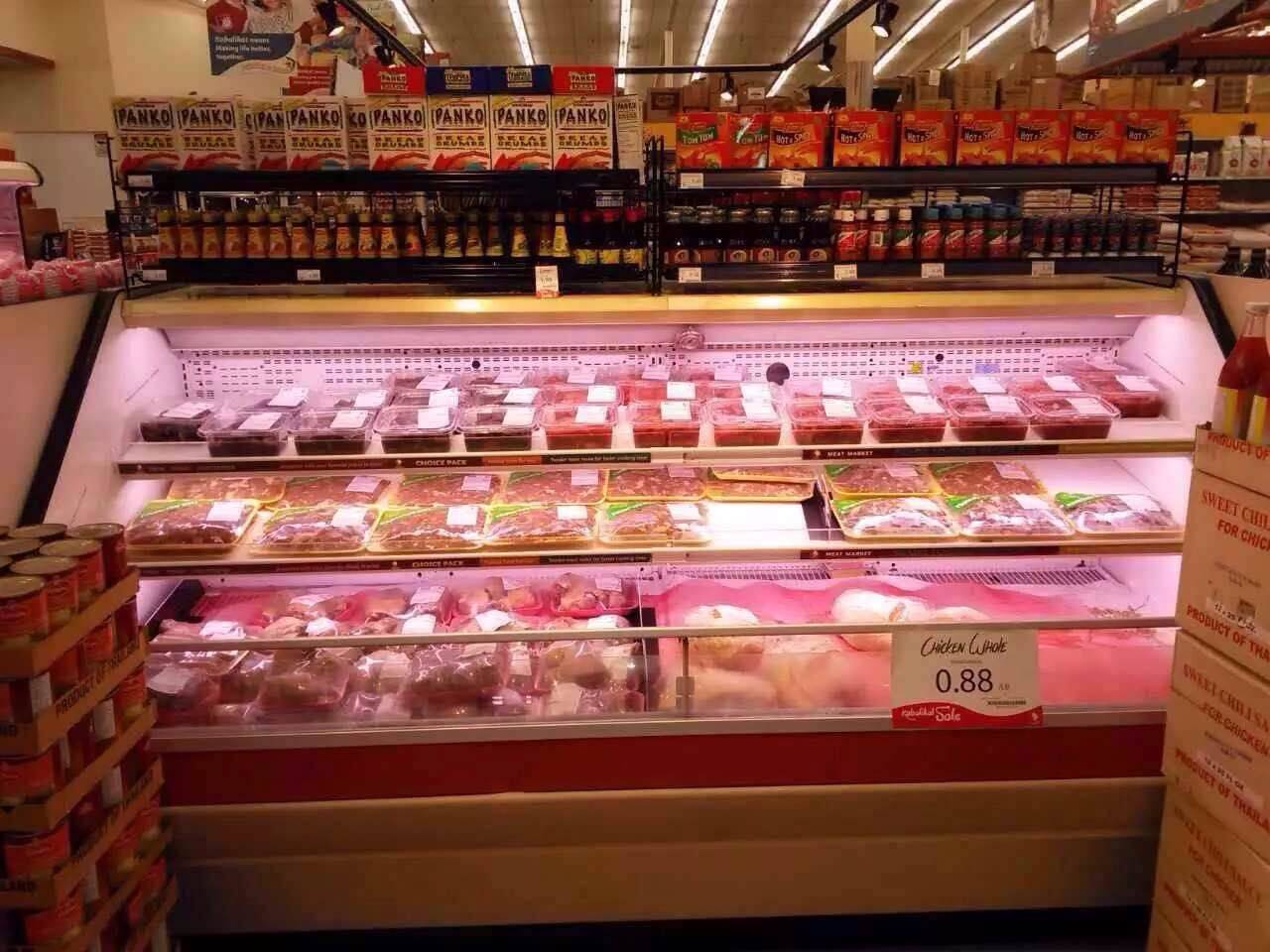
Why Appearance Matters for MAP Meat
Consumers judge quality primarily by what they see:
- Redness perception: Bright red meat is perceived as fresher, even if the product is safe and within shelf life.
- Gray or brown tones: Overexposure to light, particularly certain wavelengths, accelerates myoglobin oxidation, making meat look less desirable.
- Packaged presentation: Transparent film can amplify reflections and hotspots, exaggerating imperfections caused by lighting.
Maintaining consistent color in MAP meat not only supports sales but also reduces unnecessary waste from products removed for aesthetic reasons
The Role of Packaging and Gases
MAP meat packaging interacts with display conditions in several ways:
- Oxygen-permeable films: Allow limited oxygen for color stability but are still sensitive to light-induced oxidation.
- Carbon dioxide-rich atmospheres: Extend microbial safety but do not prevent discoloration caused by improper lighting.
- Film glare and reflection: Certain films can create hotspots when exposed to high-intensity or poorly angled lights, making edges appear gray.
Understanding these interactions helps store teams adjust external factors—such as lighting placement—without changing packaging or supplier specifications.
Lighting Spectrum and MAP Meat
Not all lighting affects MAP meat equally:
- Balanced-spectrum LEDs: Maintain true red and marbled tones without triggering accelerated oxidation.
- Avoid fluorescent or high-intensity white lights: These may enhance gray edges, reduce perceived freshness, and create uneven illumination across packages.
- Front-row focus: The first few rows are most visible to shoppers; controlling intensity and angle here ensures the most critical products appear fresh and vibrant.
Retailers should test lighting on actual MAP meat packages rather than relying on case lighting alone to ensure color consistency.
Placement Strategies for Optimal Appearance
Proper positioning of lights prevents visual defects:
- Top rail and shelf lighting: Provides general illumination but must be adjusted to avoid overexposure on front-row cuts.
- Side or corner adjustments: Reduce shadowing on lower shelves and ensure even appearance across the case.
- Diffusers or shields: Mitigate glare caused by film reflections, making meat appear more natural.
Regularly evaluating placement ensures that all products, not just those at eye level, maintain consistent color and appeal.
Case Conditions That Affect MAP Meat
Even the best lighting cannot compensate for poor environmental conditions:
- Temperature consistency: Fluctuations accelerate chemical reactions in meat, affecting color stability.
- Humidity management: Adequate moisture prevents packaging from fogging and keeps meat surfaces visually appealing.
- Airflow control: Uniform circulation prevents microclimates that may lead to uneven color or premature drying.
Monitoring these factors daily helps extend the visual shelf life of MAP meat.
Operational Practices to Reduce Visual Shrink
Store teams can implement simple routines to protect MAP meat appearance:
- Front-row replenishment: Place freshest packages in the most visible positions.
- Rotation discipline: Older packages moved to the back reduce extended exposure to light and maintain overall case appeal.
- Inspection and correction: Identify packages showing early discoloration and adjust placement, light angles, or intensity accordingly.
- Protective diffusion: Use diffusers on particularly reflective films to reduce hotspot formation and maintain natural color perception.
These small operational adjustments significantly reduce perceived spoilage and product waste.
Technology and Training Integration
Combining proper lighting technology with staff awareness yields the best results:
- Food-safe LEDs: Purpose-built solutions like Promolux protect natural pigments in meat while reducing oxidation.
- Monitoring systems: Track light intensity, temperature, and humidity to ensure consistent environmental conditions.
- Staff education: Training employees to recognize early signs of discoloration, handle packages carefully, and maintain proper light exposure is critical for long-term success.
A coordinated approach ensures that MAP meat retains visual appeal without altering packaging protocols.
Real-World Impact
Optimizing lighting and case conditions for MAP meat delivers tangible benefits:
- Reduced waste: Fewer packages discarded for appearance reasons, improving profitability.
- Enhanced sales: Visually appealing front-row products drive faster turnover and repeat purchases.
- Customer trust: Shoppers associate consistent color with freshness and quality, reinforcing loyalty.
- Operational efficiency: Reduced handling and shrink frees up staff for merchandising and customer service.
Small improvements in lighting and placement can translate into measurable financial and operational gains.
Conclusion
MAP meat packages can look unappealing despite optimal gas mixtures and storage conditions. By focusing on balanced-spectrum lighting, proper placement, and consistent case conditions, retailers can reduce gray edges, preserve red tones, and maintain a fresh, vibrant appearance across the display. Operational practices such as front-row replenishment, rotation, and staff training further protect visual quality.
For grocery operators seeking practical solutions to enhance MAP meat presentation, reduce shrink, and improve customer confidence, visit www.freshfoodlighting.com. Proper display lighting ensures that the first cuts shoppers see are visually appealing, fresh, and true to your store’s quality standards.
